
Wildflowers:
It's in our hands.
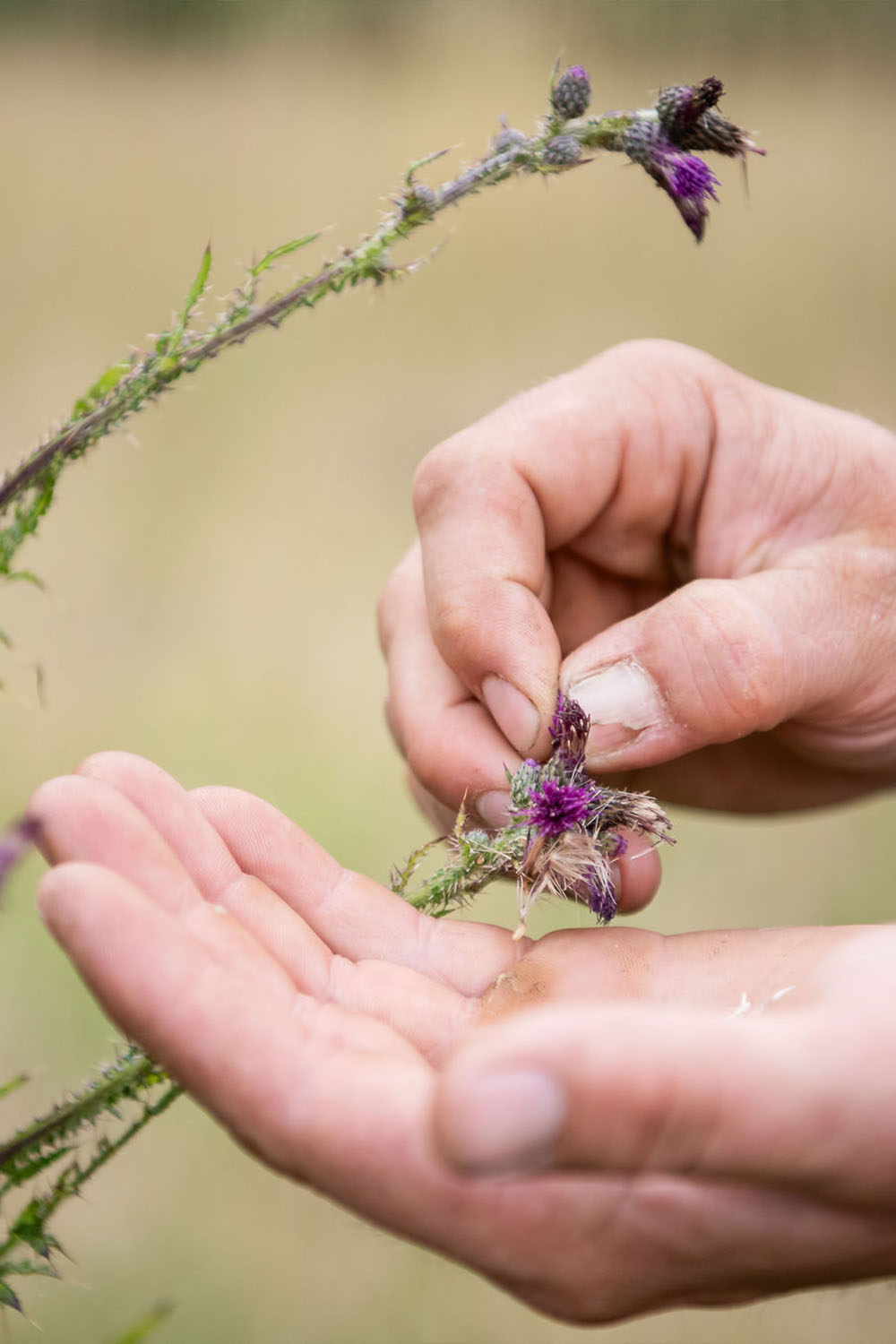
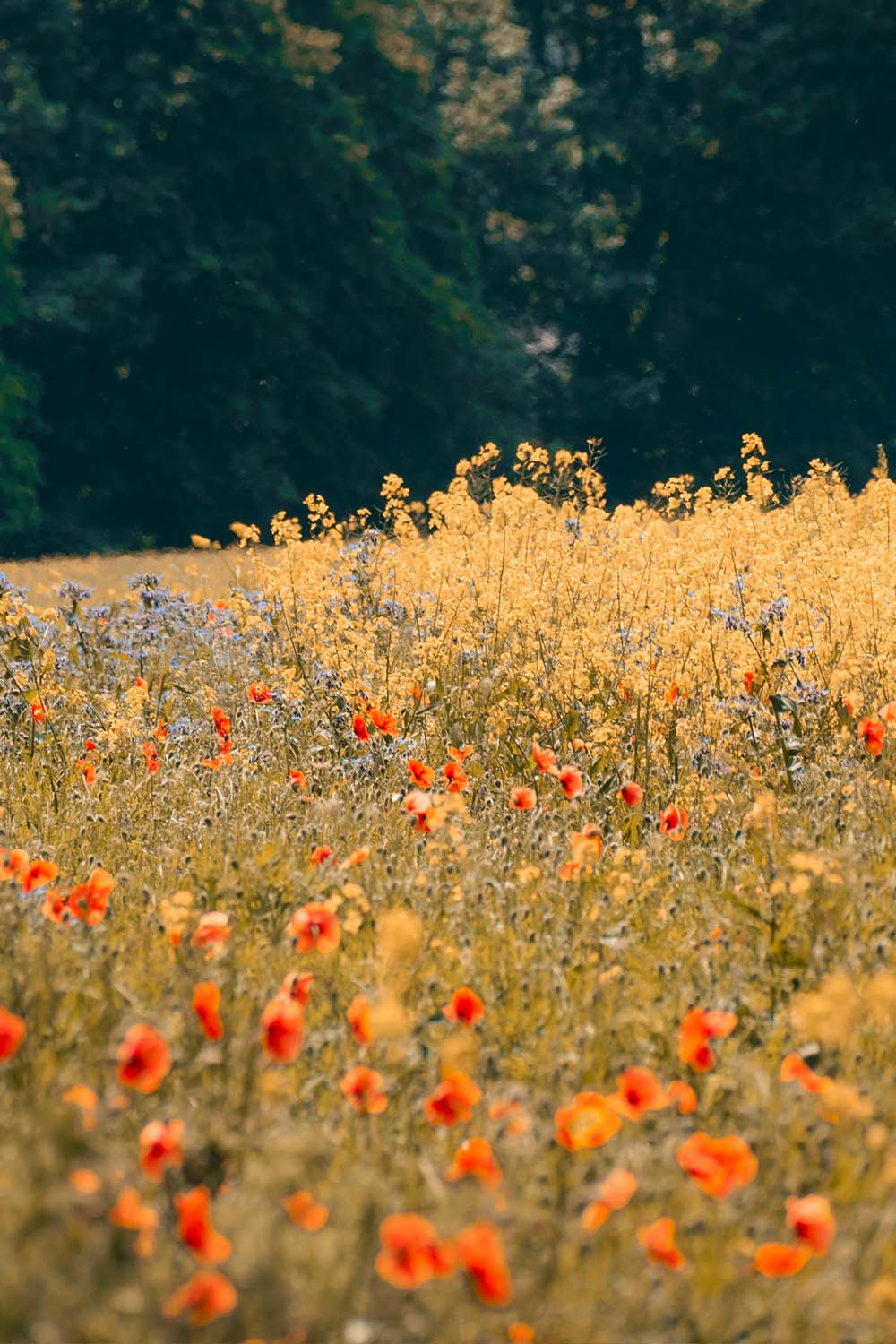
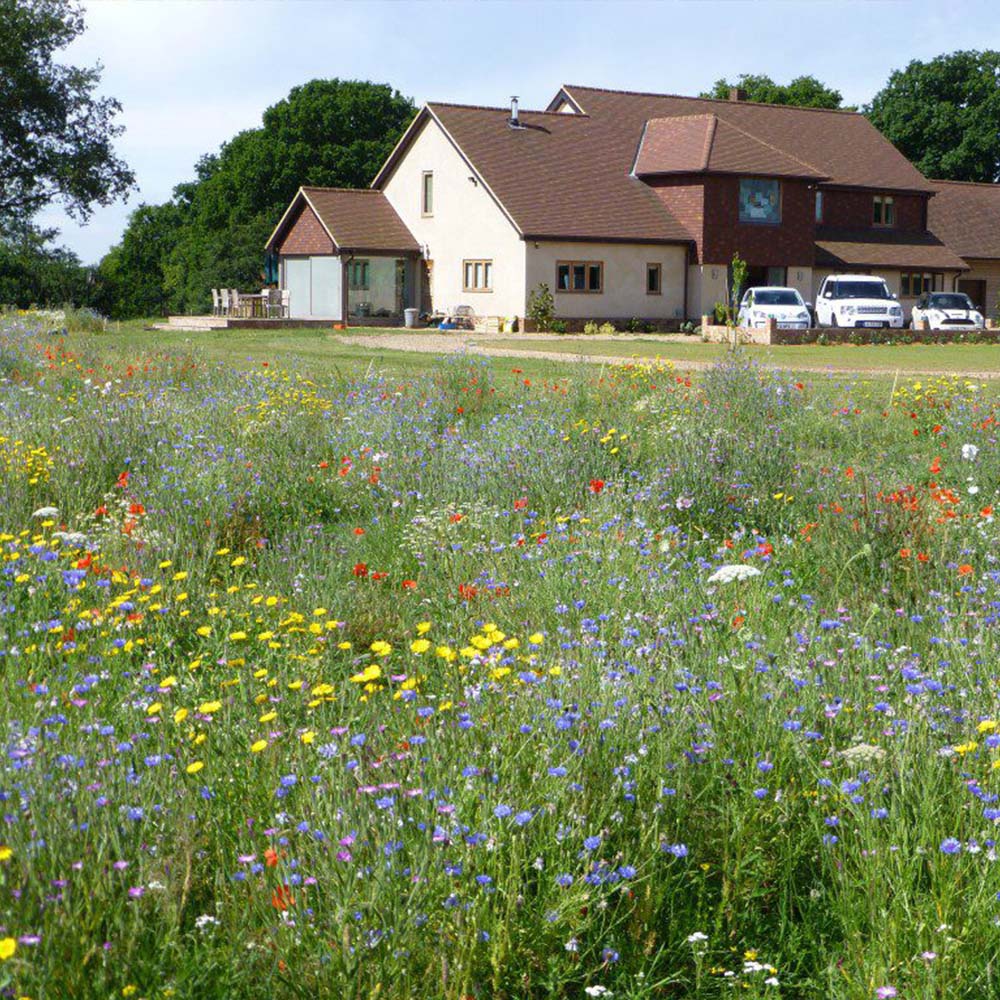
Wildflower meadows are at the heart of what we do at Nature Plus. With over 15 years� experience, we create and manage wildflower areas of all scales from large meadow projects to smaller spaces in gardens and managed landscapes. George, co-founder of Nature Plus, has a long-standing passion for wildflowers and brings hands-on expertise to every project. We take a practical, site-led approach, ensuring each area is established properly and designed to thrive long-term.
Wildflower Planting Offers:
- Increased biodiversity and pollinator support
- Seasonal colour and visual interest
- Reduced mowing and maintenance over time
- Support for Biodiversity Net Gain (BNG) and wider environmental requirements
Whether you�re enhancing a garden or transforming a larger site, we create wildflower spaces that are both beautiful and sustainable.
With some help from
Colin Reader
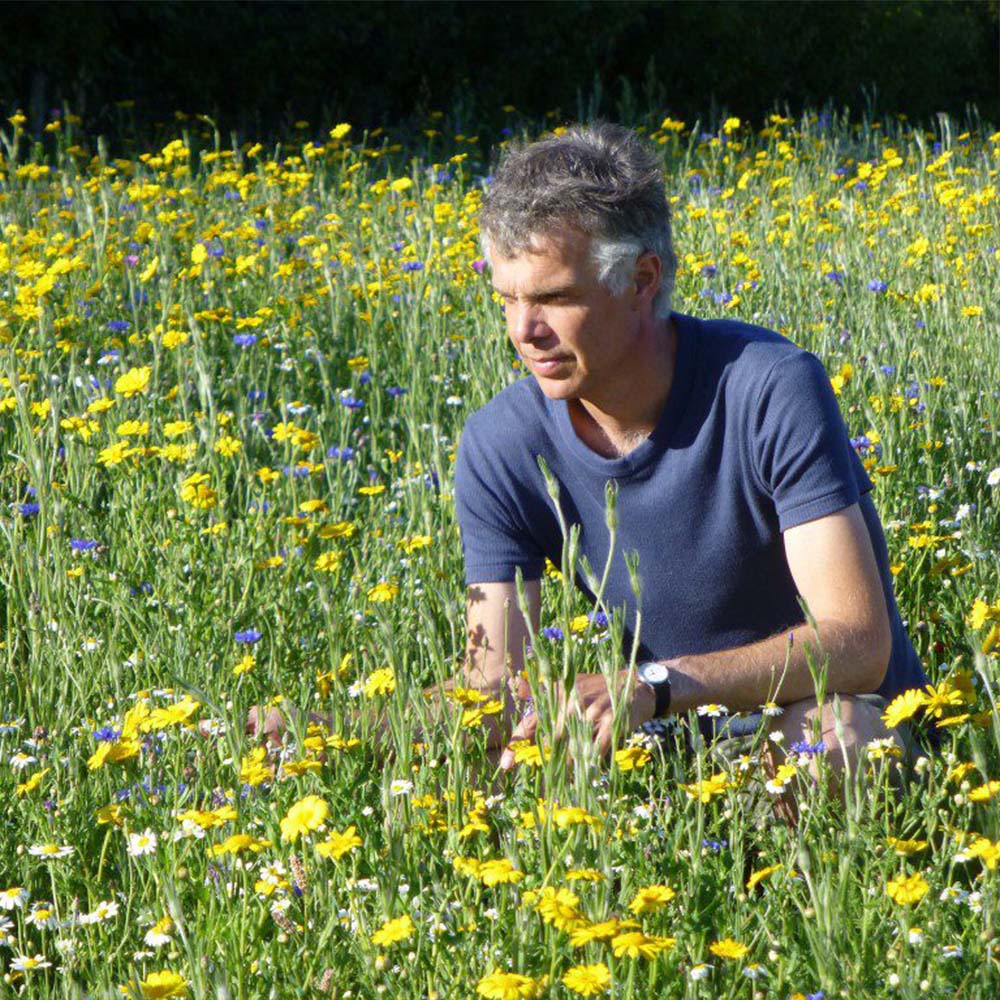
At Nature Plus, we�re proud to work closely with Colin Reader, founder of Wild Flower Lawns and Meadows. Colin brings decades of ecological experience and a deep-rooted passion for native wildflowers, like ourselves.
Our Wildflower Processes:
Wildflower Meadow Installation
Transform your lawn or unused land into a vibrant, self-sustaining ecosystem. We specialise in the complete installation of wildflower meadows, from professional ground preparation and nutrient stripping to the precise sowing of native seed mixes. By selecting species tailored to your specific soil type and sunlight levels, we create a perennial display that provides year-round interest and vital habitats for local pollinators.
Biodiversity & Ecology Consultancy
Enhance the environmental value of your property with our expert biodiversity consultancy. We assess your existing landscape to identify opportunities for ecological improvement, providing detailed reports and planting strategies that support local wildlife. Whether you are aiming for a “BREEAM” rating or simply want to do your part for the environment, we provide the scientific insight needed to turn a standard garden into a thriving nature reserve.
Native Plug Planting
For a more immediate impact or for enhancing existing grasslands, our native plug planting service is the ideal solution. We hand-plant established wildflower younglings into your landscape, giving them a significant head start over seeds. This method allows for strategic placement and ensures that slower-growing species can establish themselves successfully, resulting in a more diverse and resilient floral display.
Annual & Perennial Seed Selection
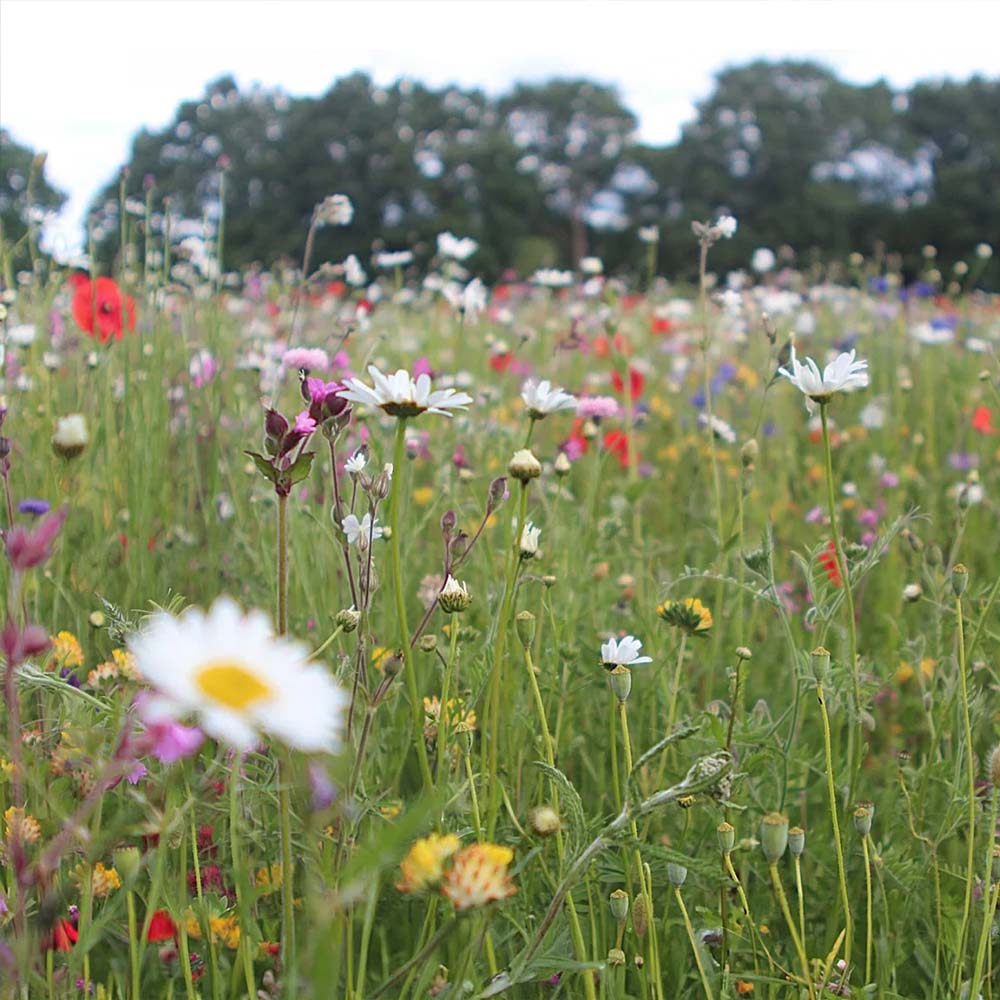
The success of a wildflower area begins with the right genetics. We offer a bespoke seed selection service, sourcing high-quality, UK-provenance seeds that are ethically harvested. We balance “cornfield annuals” for an instant burst of first-year color with long-lived perennials that will return year after year. Our custom mixes are designed to suit your aesthetic preferences while maximizing the benefits for bees, butterflies, and birds.
Specialist Meadow Maintenance
A wildflower meadow is low-maintenance, but not “no-maintenance.” Our specialist care packages include the crucial “Late Summer Cut” and “Scarsification” processes required to ensure your meadow doesn’t revert to scrubland or dominant grasses. We manage the delicate balance of removing arisings to keep soil fertility low, which is the secret to ensuring your wildflowers outcompete aggressive weeds and flourish for decades.
Your Questions, Answered.
Can I grow wildflowers on my existing lawn?
You cannot simply scatter wildflower seeds onto a standard lawn and expect them to thrive. Most garden lawns are composed of competitive grasses and highly fertile soil, which will quickly choke out delicate wildflowers. To succeed, you must either remove the existing turf to expose bare soil or use a specialized “Yellow Rattle” overseeding program to suppress the grass over several seasons.
How long does it take for a wildflower meadow to establish?
Patience is key when establishing a perennial meadow. While “Cornfield Annuals” (like Poppies and Cornflowers) provide an instant burst of color in the first year, true perennial wildflowers typically take two to three years to reach full maturity. In the first year, the plants focus on root development; by the second and third years, the floral diversity will increase significantly.
Why do wildflowers prefer "poor" quality soil?
It is a common misconception that wildflowers “hate” nutrients. In reality, they simply compete better in low-fertility environments. In rich, fertile soil, aggressive grasses and weeds (like nettles and docks) grow rapidly and out-compete the flowers for light and space. By keeping soil fertility low, we give the wildflowers the edge they need to flourish.
When is the best time of year to sow wildflower seeds?
The two primary sowing windows in the UK are Autumn (September to October) and Spring (March to April).
-
Autumn Sowing: Generally preferred as it allows seeds to “vernalize” (experience a period of cold), which is essential for certain species like Yellow Rattle and Cowslips to germinate.
-
Spring Sowing: Ideal if the ground is too wet in autumn or if you are using a mix heavy in annuals for immediate summer color.
How do I maintain a wildflower meadow?
Maintenance is minimal but crucial. The most important task is the “End of Summer Cut” (late August to September). Once the flowers have dropped their seeds, the meadow should be cut down to approximately 5-10cm. Crucially, all cuttings must be raked up and removed. Leaving them to rot would return nutrients to the soil, encouraging grass growth and suppressing next years flowers.
Do wildflower meadows attract pests?
Quite the opposite. Wildflower meadows are “biodiversity hotspots” that attract beneficial insects. While they do host caterpillars and beetles (which are essential for a healthy garden), they also attract the natural predatorssuch as ladybirds, hoverflies, and birdsthat keep common garden pests like aphids in check.