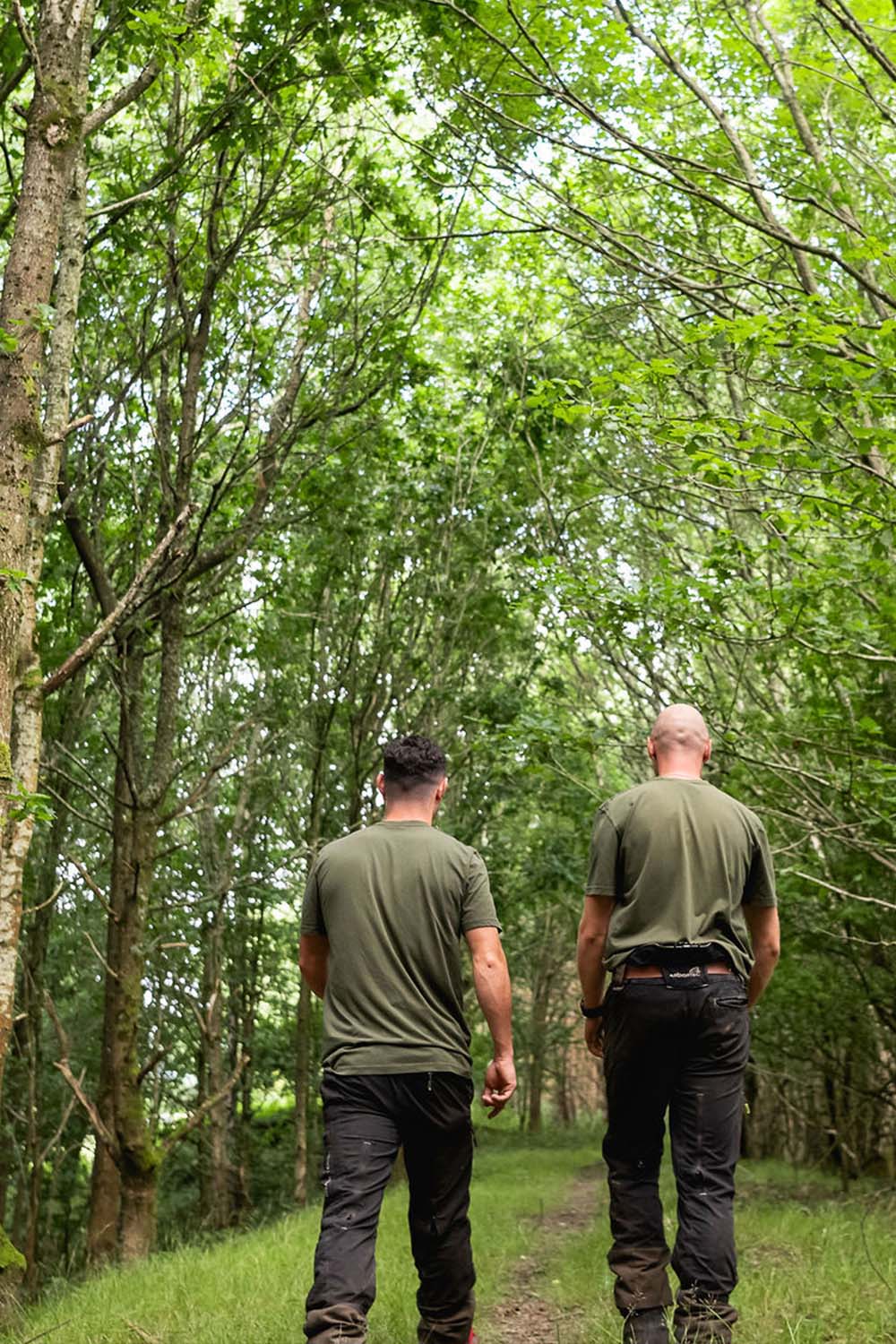


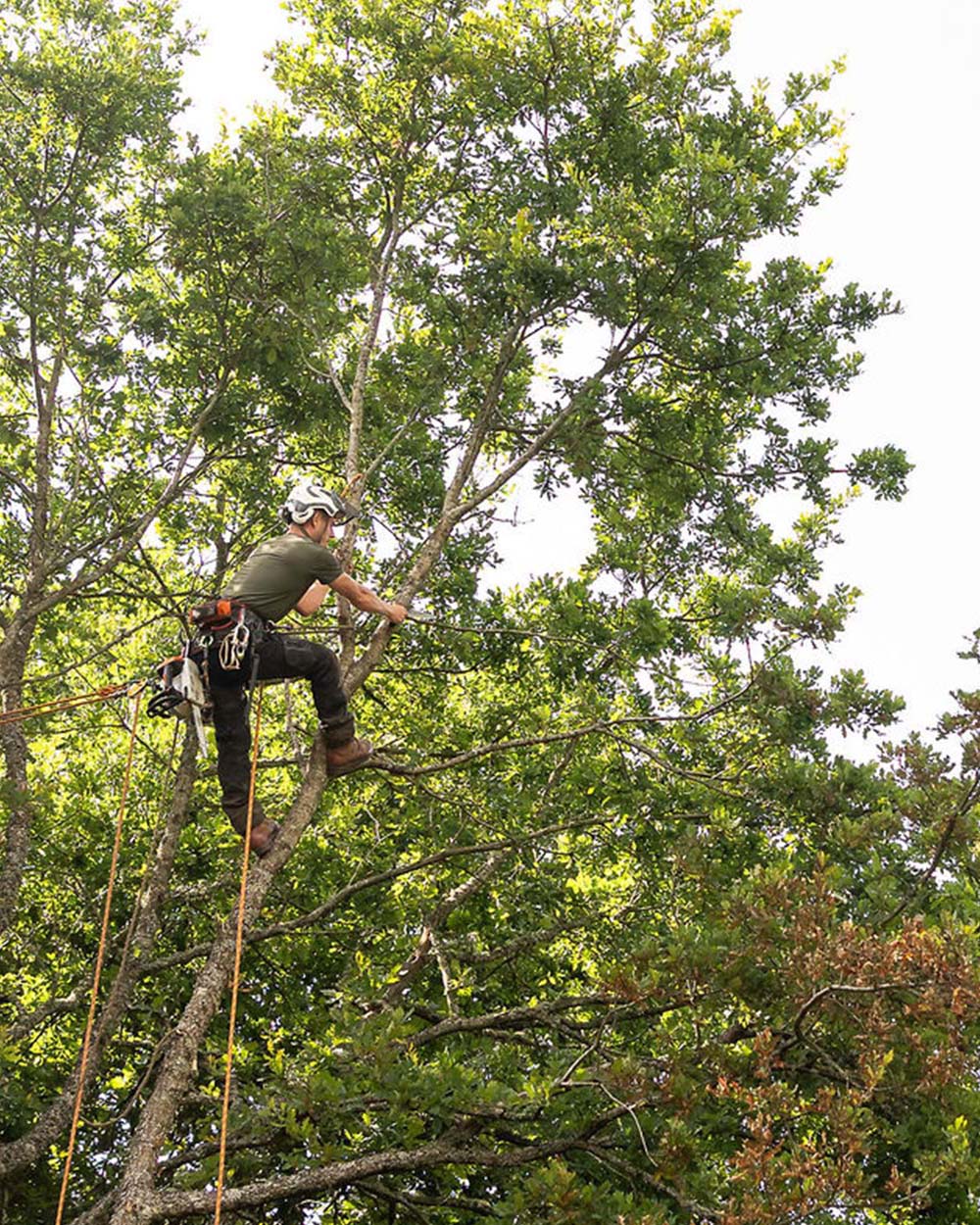
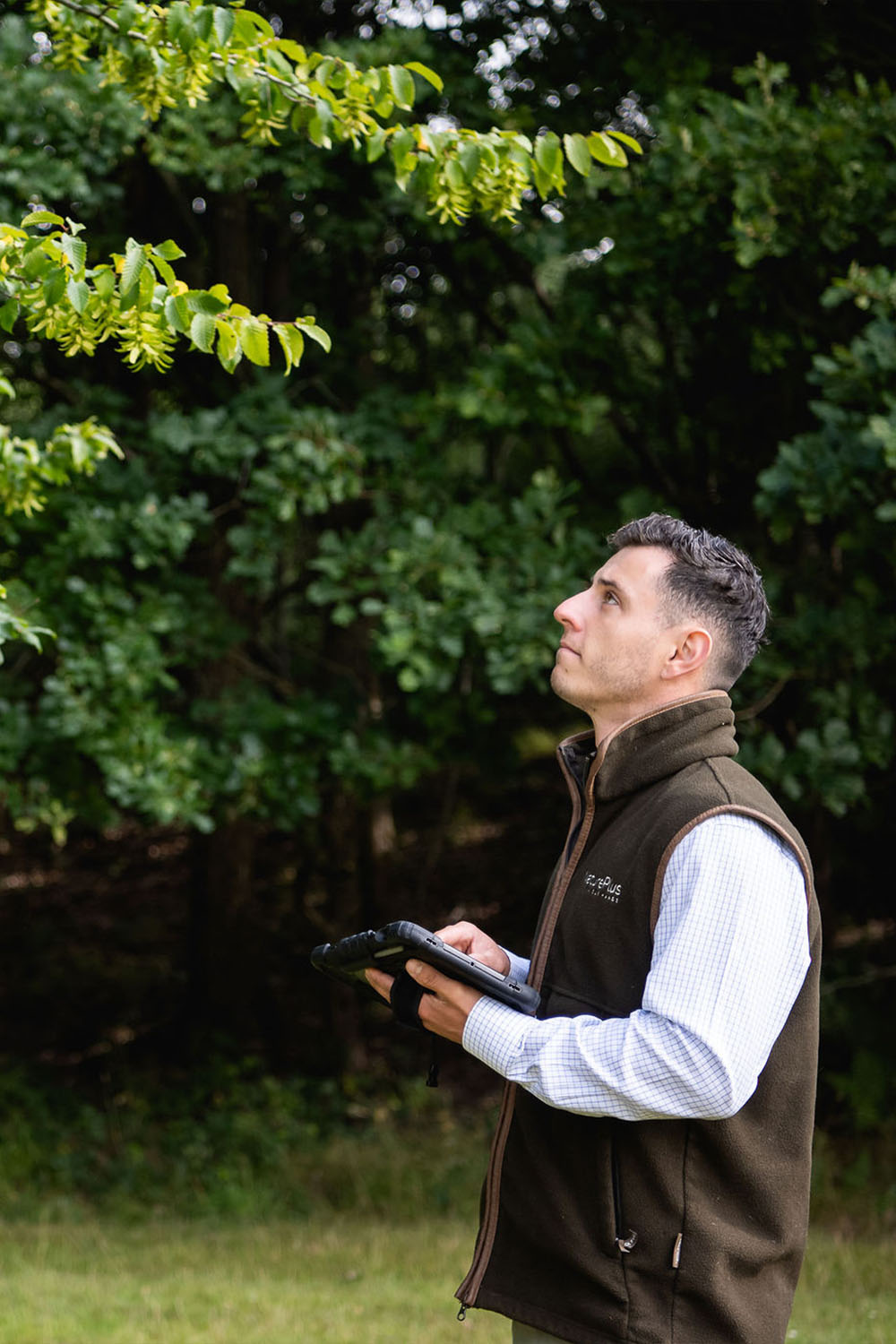

Arboricultural Site Supervision: it�s in our hands.
Arboricultural site supervision involves the monitoring of works near retained trees to ensure that tree protection measures are followed and that construction activity does not cause avoidable damage to roots, stems, branches, or soil conditions. This typically includes checking that protective fencing and ground protection are correctly installed, overseeing sensitive operations such as excavation within root protection areas, advising contractors on working methods, and recording compliance throughout the project. Site supervision helps ensure that development works are carried out in accordance with the approved arboricultural method statement and relevant tree protection requirements.
Protecting Your Project, Preserving Your Trees.
Navigating the complexities of a construction site while safeguarding the environment requires a practical, hands-on approach. We serve as the essential link between your construction team and the local planning authority, ensuring that development works progress seamlessly without compromising the health or legal status of your retained trees. From the initial sign-off of your tree protection fencing to managing sensitive civil engineering works, we provide the practical oversight needed to keep your project fully compliant and on schedule.
Some of the services we offer:
- Tree safety surveys�
- BS5837 Tree surveys�
- Arboricultural reports
- Planning and development support�
- Arboricultural site supervision
If you can’t see the service you need – reach out to our team to ask.
The kinds of Tree Surveys we do:
Tree Safety Surveys & Risk Management
For homeowners, commercial landowners, and estate managers, fulfilling your legal duty of care is paramount. Our proactive tree safety surveys evaluate structural and physiological integrity to identify potential hazards, such as Ash Dieback, decay, or storm damage. We provide prioritised risk management reports to ensure safety on-site, protect structures, and satisfy mortgage or insurance underwriting requirements.
BS5837 Tree surveys
Carried out in strict accordance with British Standards, our BS5837 tree surveys assess and categorise tree health, life expectancy, and retention value. By accurately mapping Root Protection Areas (RPAs) and canopy spreads early in the design phase, we provide architects and planners with the essential spatial data needed to optimize site layouts, avoiding costly design revisions later in the project.
Arboricultural reports
We translate raw survey data into robust, authoritative arboricultural reports tailored to satisfy strict Local Planning Authority (LPA) validation requirements. Our documentation includes comprehensive Arboricultural Impact Assessments (AIA) to evaluate how your proposals interact with nearby trees, alongside detailed Tree Protection Plans (TPP) that map out precise exclusion zones.
Planning and development support
Securing permission when trees are present can be a complex regulatory challenge. We provide end-to-end support to help you navigate local policies, Conservation Area constraints, and Tree Preservation Orders (TPOs). We specialize in crafting practical Arboricultural Method Statements (AMS) that satisfy council conditions, turning complex environmental constraints into clear working methods for your construction team.
Arboricultural site supervision & Clerk of Works
To maintain full compliance on a live development site and prevent a breach of planning conditions, we provide professional arboricultural site supervision. Acting as an on-site Arboricultural Clerk of Works (ACoW), we monitor sensitive operations near retained treessuch as fencing installation, hand-digging, or air-spade excavation within RPAsproviding the independent log required for final council sign-off.
Your Questions, Answered.
What is arboricultural site supervision and why is it required?
Arboricultural site supervision involves an arborist monitoring construction activities near trees that are being kept on a development site. Local Planning Authorities (LPAs) routinely make this a mandatory planning condition to ensure that construction work does not cause legal or physical damage to retained trees, their stems, branches, or sensitive root systems.
What does an Arboricultural Clerk of Works (ACoW) do on-site?
An Arboricultural Clerk of Works (ACoW) acts as the independent environmental supervisor on a construction site. Their role includes signing off on the installation of tree protection fencing, overseeing high-risk activities like excavation within Root Protection Areas (RPAs), advising contractors on safe working methods, and liaising directly with the councils Tree Officer.
What happens if we need to dig inside a tree's Root Protection Area (RPA)?
If utilities or foundations must pass through an RPA, traditional machinery excavation cannot be used. Under our supervision, contractors must use sensitive, non-destructive techniques. This usually involves hand-digging under tree canopies, using an air-spade to expose roots without breaking them, or implementing a no-dig cellular confinement system for driveways and paths.
How do I discharge an arboricultural planning condition?
To discharge a supervision condition, you must provide the council with proof that the approved Arboricultural Method Statement (AMS) was strictly followed. Nature Plus maintains a digital log of every site visit, inspection, and supervised operation. At the end of the project, we compile this data into a formal arboricultural sign-off report for you to submit to the LPA.
Do you need to be on-site for the entire duration of the construction build?
No. Supervision is usually required only during key “critical phases” outlined in your planning conditions. This typically includes a pre-commencement visit to sign off on tree protection fencing and ground protection, visits during any excavations within RPAs, and occasional routine monitoring audits depending on the scale of the project.
What is the penalty for breaching an Arboricultural Method Statement (AMS)?
Breaching an AMS is a direct breach of planning permission. The Local Planning Authority has the power to issue a Temporary Stop Notice, halting all work on-site immediately, which can result in severe financial and logistical delays. If a tree protected by a Tree Preservation Order (TPO) is damaged or destroyed as a result, it can lead to uncapped criminal fines.
Can Nature Plus help if we have already received a warning from a Tree Officer?
Yes. If a council Tree Officer flags an issue or a planning breach on your site, we can step in as your independent arboricultural consultant. We will assess the site situation, suggest immediate practical mitigation measures (such as retrofitting ground protection), and handle the formal response to the LPA to help get your project back on track.
Who pays for the arboricultural site supervision?
The developer, builder, or landowner executing the planning permission is responsible for appointing and funding the arboricultural supervisor. Investing in professional supervision from the outset prevents costly delays, legal fines, and structural damage to trees that could fail post-construction.