

Tree Surveys & Tree Reports
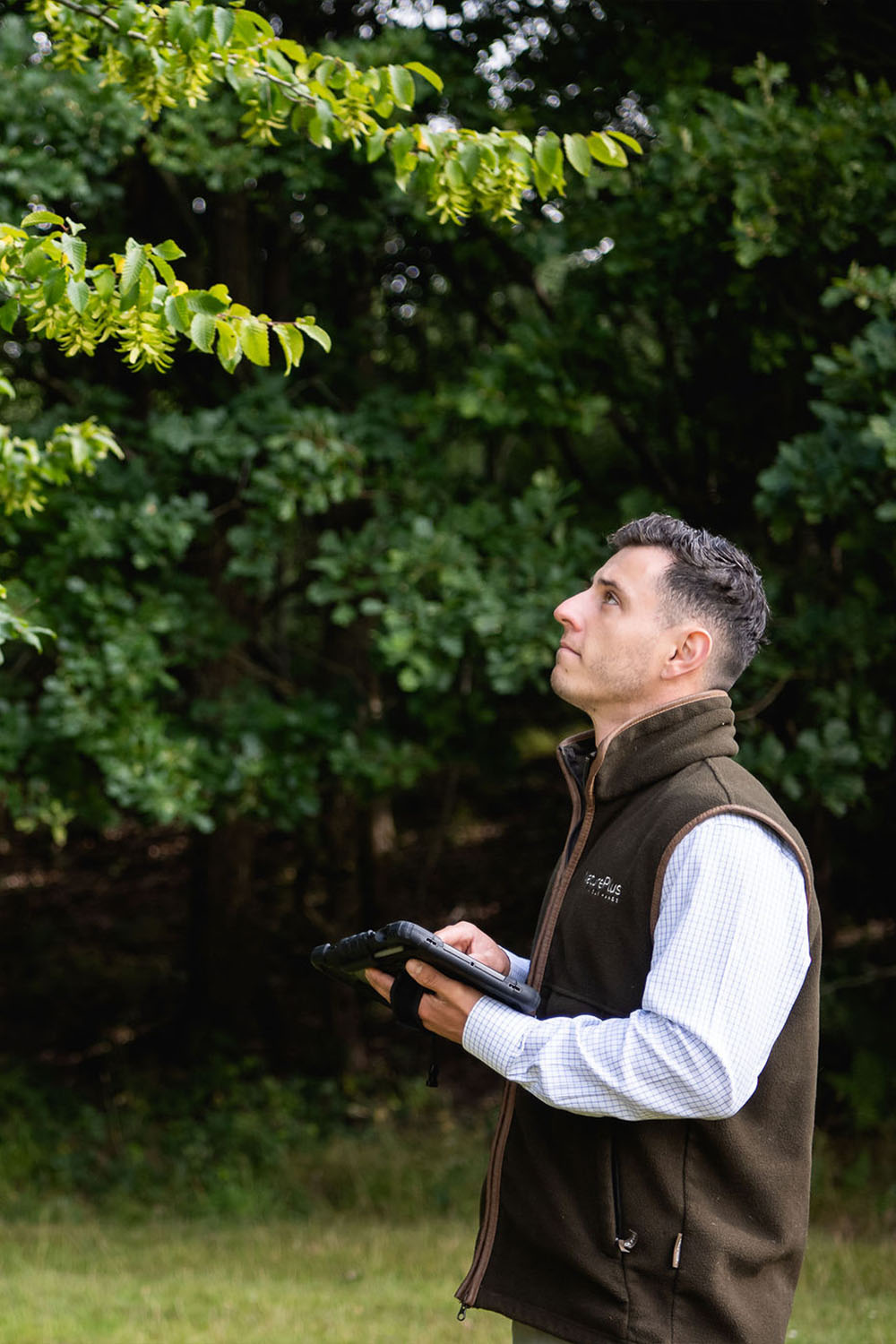
Whether you need a survey for a single tree on a residential property or a full assessment across a school, care facility, or large public space, Nature Plus provides professional tree survey services you can rely on. We help you understand the condition of your trees, identify potential risks, and ensure your site/residence remains safe, compliant, and well-managed.
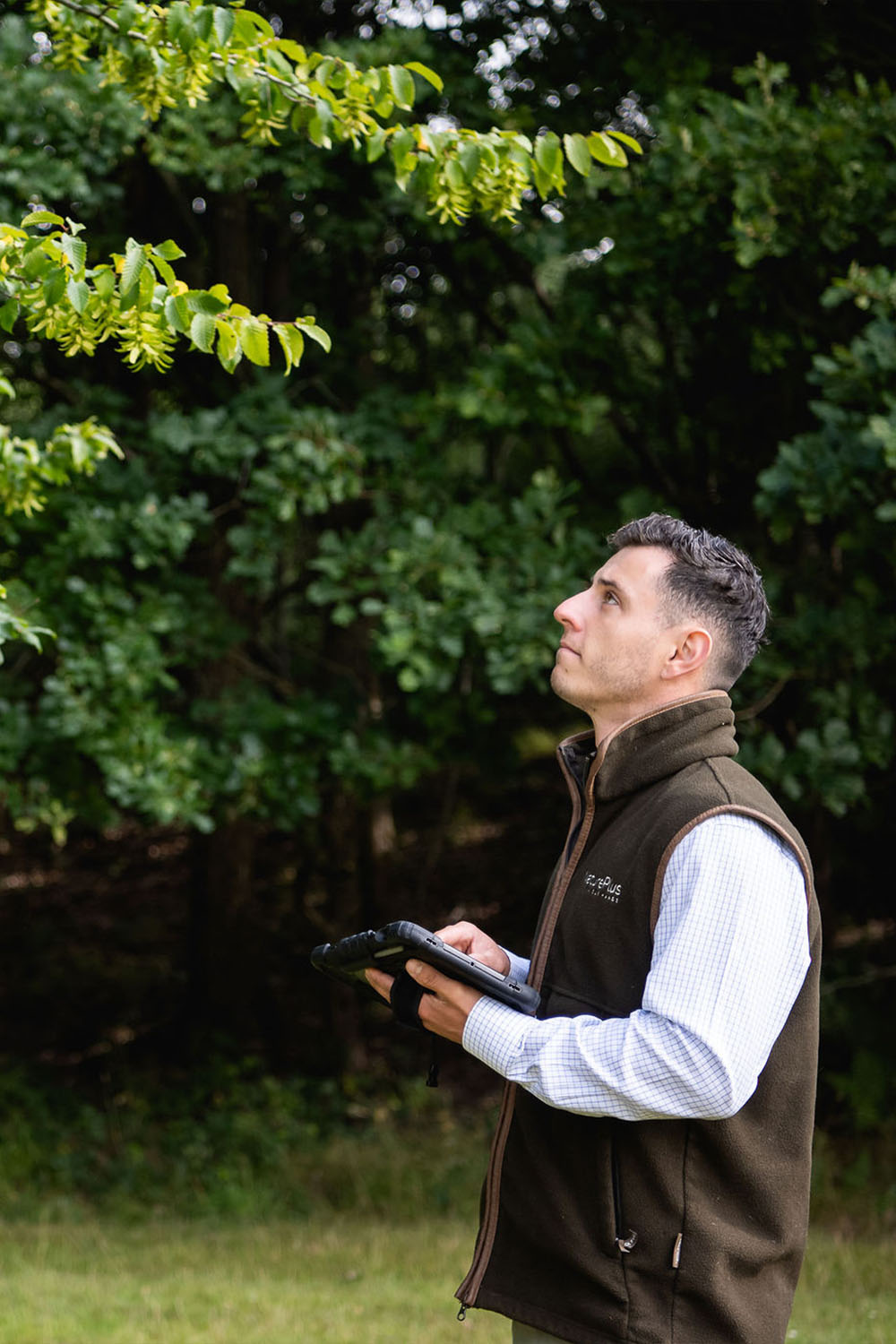
Tree Surveys:
it�s in our hands.
Whether you need a survey for a single tree on a residential property or a full assessment across a school, care facility, or large public space, Nature Plus provides professional tree survey services you can rely on. We help you understand the condition of your trees, identify potential risks, and ensure your site remains safe, compliant, and well-managed.
Helping Trees Thrive
Our essential Tree Surveys & expertise in Tree Management & Tree Surgery give NaturePlus the roots to handle every challenge we face. Navigating the complexities to provide clear, actionable advice & consultation – trees thrive in our hands.
Some of the services we offer:
- Tree safety surveys�
- BS5837 Tree surveys�
- Arboricultural reports
- Planning and development support�
- Arboricultural site supervision
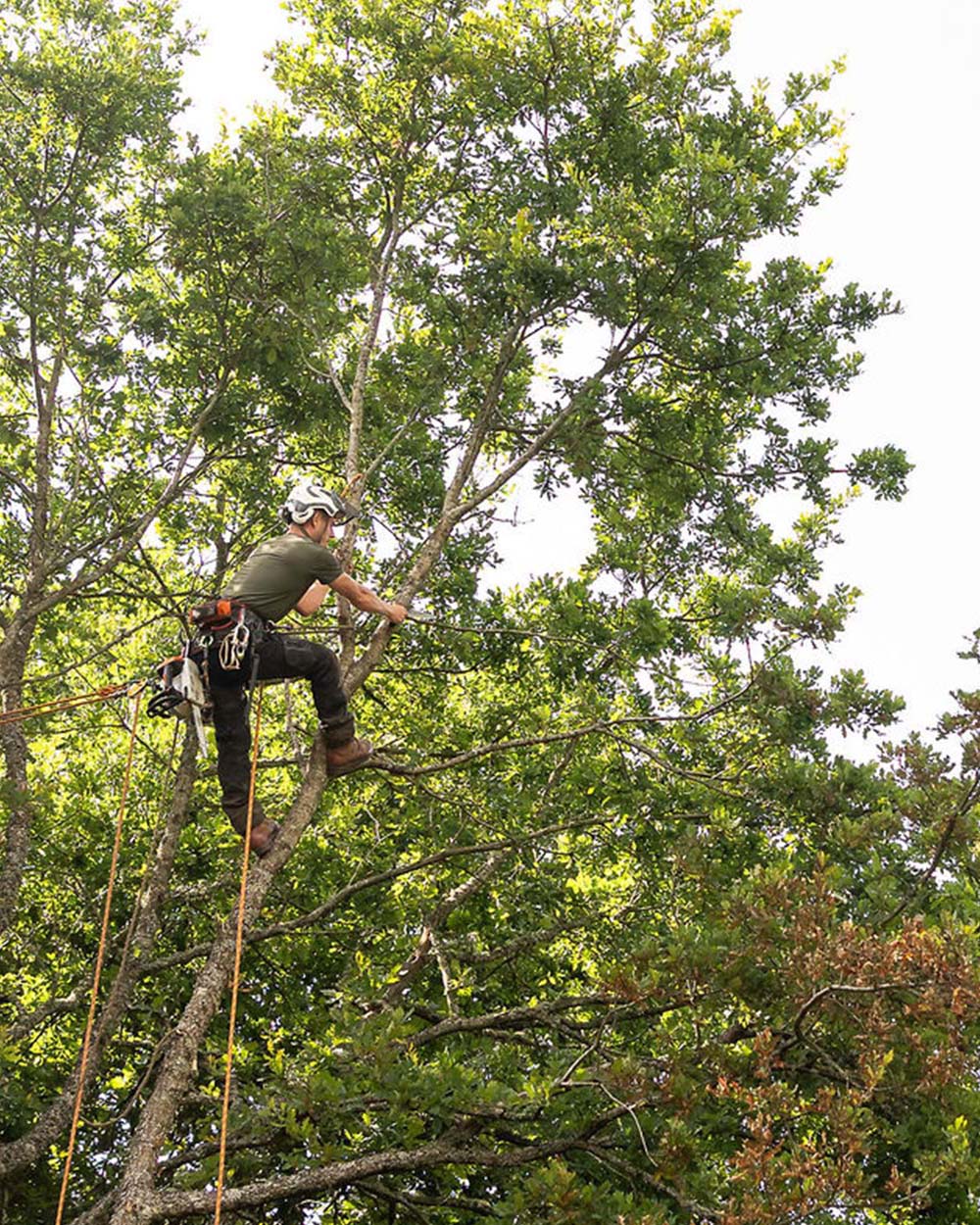
- Climbing inspections
If you can’t see the service you need – reach out to our team to ask.
Tree Surveys we offer:
Negative Tree Surveys
Negative tree surveys are one of the most cost-effective ways to assess trees. They are similar to full tree surveys, as all trees are visually assessed, but only those requiring works are GPS plotted.
A traffic light system is used to colour-code the results, clearly showing the urgency of the required works.
Full Tree Surveys
A full tree survey provides a detailed assessment of all trees on a site, including their condition, structure, and any potential risks. It helps property owners and managers understand their tree stock and take appropriate action to maintain safety and compliance with their duty of care.
BS5837 Tree Surveys
BS5837 surveys are required for development projects where trees may be impacted. They assess tree quality and categorise their value, helping inform site design and planning decisions. This ensures compliance with planning requirements while balancing development and tree retention.
Arboricultural Impact Assessments (AIA)
An AIA evaluates how a proposed development will affect existing trees and outlines any potential impacts. It supports planning applications by demonstrating that tree considerations have been properly assessed and managed, reducing the risk of objections or delays.
Arboricultural Method Statements (AMS)
An AMS sets out how trees will be protected during construction. It provides clear, step-by-step guidance for contractors to follow on-site, ensuring works are carried out in line with planning conditions and minimising the risk of damage to retained trees.
Tree Protection Plans (TTP)
A Tree Protection Plan shows the location of protective fencing and ground protection measures around trees during development. It is a key requirement for planning compliance and helps ensure trees are safeguarded throughout the construction process.
Your Questions, Answered.
Do I need a tree survey for a planning application?
Local Planning Authorities usually require a BS5837 tree survey if there are trees on or adjacent to a proposed development site. This survey categorises trees based on their health and retention value. It ensures that the design of your project (such as building footprints or driveways) does not negatively impact significant trees or their Root Protection Areas (RPAs).
What is the difference between a tree survey and a tree report?
A tree survey is the data-gathering phase where we record species, height, age, and physiological condition. A tree report is the formal document produced from that data. For developers, this often includes an Arboricultural Impact Assessment (AIA), while for homeowners, it might be a safety-focused report to satisfy insurance or mortgage providers.
Can you provide a tree report for mortgage or insurance purposes?
Yes. Lenders often require a Homebuyers Tree Report if trees are located within influencing distance of a property. This report assesses the risk of direct damage or indirect damage (such as subsidence) to the structure. Having a professional report can help clear mortgage retentions and provide peace of mind regarding property safety.
What is a BS5837:2012 survey?
BS5837:2012 is the British Standard for “Trees in relation to design, demolition, and construction.” It is the industry-standard framework used by architects and planners. It provides a clear methodology for protecting trees during the construction process, including the creation of Tree Protection Plans (TPP) and Arboricultural Method Statements (AMS).
How long is a tree survey report valid?
Trees are living organisms that can change significantly due to weather, disease, or environment. Generally, a tree survey is considered valid for 12 to 24 months. However, if a major storm occurs or if you are submitting a new planning application, an updated inspection may be required by the local council or your insurer.
How much does a professional tree survey cost?
The cost of a tree survey depends on the number of trees, the size of the site, and the type of report required (e.g., a simple safety check vs. a complex planning report). For a standard residential property in the Kent and East Sussex area, prices typically start from a few hundred pounds. Nature Plus provides transparent, fixed-fee quotes based on your specific site requirements.
What happens if a survey identifies a tree with a Tree Preservation Order (TPO)?
If a tree is protected by a TPO or is within a Conservation Area, you must seek formal consent from the council before any works are carried out. Our tree reports provide the professional evidence needed to support these applications, explaining why the proposed works are necessary or how the development will mitigate any impact on the tree.
What are Root Protection Areas (RPAs) and why do they matter?
The Root Protection Area is the minimum area around a tree deemed necessary to maintain its health and stability. Most of a tree’s vital roots are in the top 60cm of soil and can be easily damaged by soil compaction or trenching. Our reports clearly map these zones so that construction teams know exactly where heavy machinery and materials cannot be placed.